


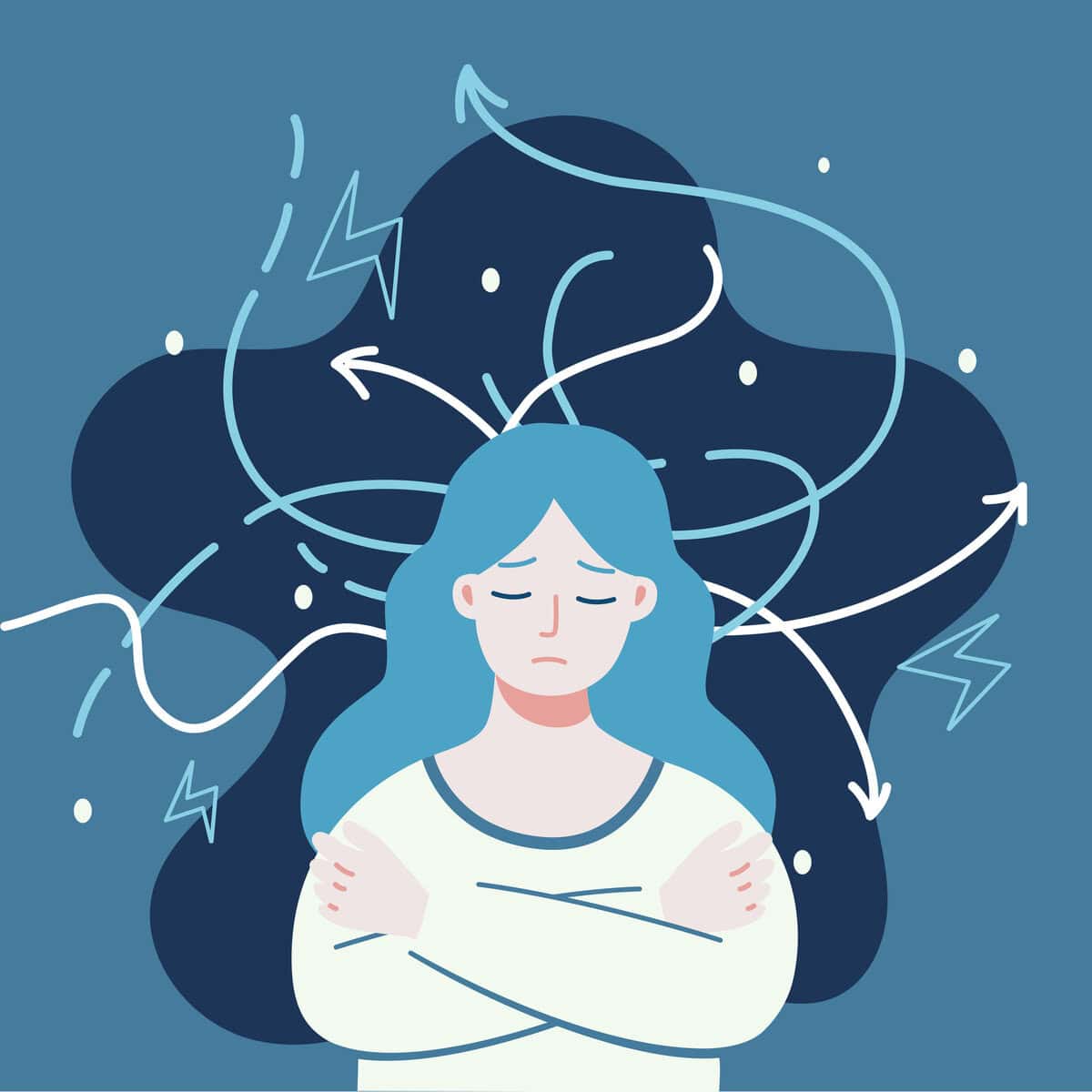
Ever feel like your mind is sprinting ahead while your heart races for no reason? As if there’s a threat in the room when you’re just answering an email? You’re not broken. You’re human.
Anxiety is like an overprotective friend inside you—one who means well but shouts “danger” at the slightest rustle. It’s your nervous system trying to save you, just with terrible timing.
Let’s break this down, and talk about what really helps.
What’s Actually Happening
Anxiety isn’t weakness. It’s your body reacting to a perceived threat—real or not. That threat could be a deadline, a social situation, or a quiet worry. Your brain sounds the alarm, and your body responds:
- Heart pounding, chest tight
- Shallow breath, restless energy
- That spiral of “what if…”
Your system is trying to be heroic. It just mistakes everyday stress for emergency.
Why Today’s World Confuses Your Wiring
We’re built to handle physical danger, like predators. But modern “danger” is different:
- Constant notifications
- Endless to-do lists
- Social pressure, emotional overload
To your primal brain, a stressful email can feel like a threat to survival. So it hits the panic button.
The Shapes Anxiety Takes
You might recognize yourself in one (or more) of these:
- Body-Led: Your body reacts first—heart racing, stomach sinking—and your mind scrambles to catch up.
- Thought-Spiral: Your mind becomes a creative writer at 3 a.m., drafting worst-case scenarios.
- Heavy-Emotion: A fog of dread or sadness, even when “everything’s fine.”
- Functional-But-Frayed: You get things done, but inside you feel stretched thin and on edge.
All are valid. None make you dramatic.
Why “Just Relax” Falls Flat
You can’t logic your way out of survival mode. When your nervous system is alarmed, it needs safety and regulation—not pressure. Calm the body first, and the mind will follow.
Simple Ways to Find Your Ground
These aren’t cures, but handrails for shaky moments.
1. The 4-6 Breath: Inhale for 4, exhale for 6. That longer exhale tells your system, “You can stand down.” Repeat five times.
2. Anchor in Your Senses: Name: 5 things you see, 4 you can touch, 3 you hear, 2 you smell, 1 you taste. It pulls you from the anxious future back into the safe present.
3. The “Bare Minimum” Plan: Instead of your whole to-do list, ask: “What’s the least I can do today to feel okay?” Often, one small thing is enough.
4. Move the Energy: Not a workout—just motion. A short walk, gentle stretching, shaking out your limbs. It helps release the worry your body is holding.
When to Reach Out
It’s time to seek support if anxiety:
- Feels like a frequent visitor, not an occasional guest
- Steals your sleep or peace
- Makes you avoid people or places
- Leaves you feeling constantly overwhelmed or disconnected
You don’t need to wait until you break. Support exists to help you rebuild your footing.
A Final, Kind Reminder
Anxiety doesn’t mean you’re failing. It often means you’ve been strong for too long without a break. You deserve gentle care and practical support—to feel safe in your own skin again, and to find your way back to yourself. It’s absolutely possible.